
Choosing the Right Range for Your Kitchen: A Complete Buying & Design Guide
Wed Jun 10 2026
- Ranges
A kitchen range is one of the most important appliances in any home because it combines your cooktop and oven into a single unit. That means your decision impacts not only how you cook, but also how your kitchen is designed, wired, and laid out during a remodel.
Choosing the right range is not just about picking a style you like, it’s about matching your appliance to how you actually cook, entertain, and use your kitchen daily. A well-chosen range improves workflow, cooking efficiency, and even resale value, while the wrong choice can limit functionality for years.
Whether you’re planning a full kitchen renovation or simply replacing an existing appliance, understanding range types and sizing is essential before making a purchase.
Key Takeaways: Choosing the Right Range for Your Kitchen
-
Choosing the right kitchen range depends on fuel type, size, cooking style, and kitchen layout, not just aesthetics.
-
Standard ranges are typically 30 inches, but larger 36-48 inch models offer expanded cooking power and flexibility.
-
Slide-in and freestanding ranges create very different installation and design impacts in a kitchen remodel.
-
Fuel type (gas, electric, induction, dual fuel) directly affects cooking performance, speed, and installation requirements.
-
Bray & Scarff can help homeowners select, deliver, and install the right range for any kitchen renovation.
How to Choose the Right Range Size
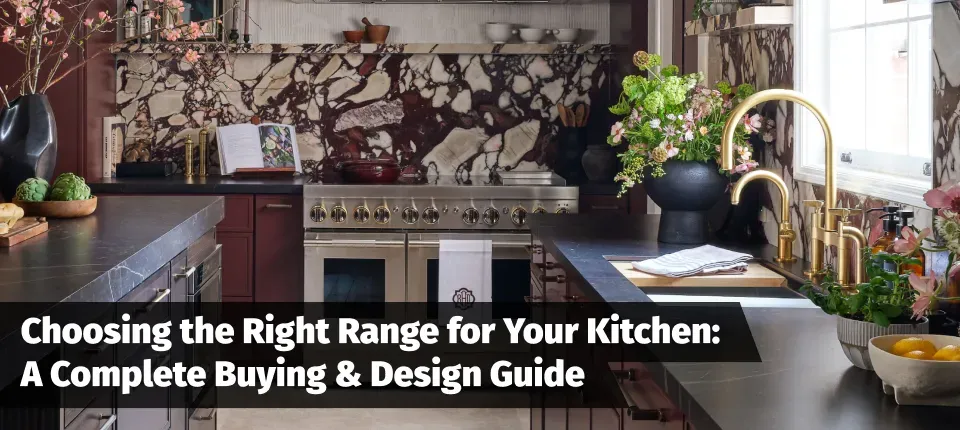
Range size is one of the first and most important decisions in the buying process. While most homeowners default to a 30-inch range, modern kitchens now support a wider variety of configurations depending on layout and cooking needs.
Standard Range Sizes
-
24 inches: Compact kitchens, apartments, smaller remodels
-
30 inches: Most common residential size in the U.S.
-
36 inches: Professional-sized cooking surface and more burner flexibility
-
48 inches: Professional-style cooking with expanded burner configurations
The right size depends not just on available space, but also on how much cooking surface you realistically use. Larger ranges often include additional burners, griddles, or dual ovens, which are valuable for frequent entertainers or serious home cooks.
Why Size Impacts Kitchen Design
Range size affects more than just cabinet cutouts. It can influence:
-
Ventilation hood sizing
-
Countertop layout symmetry
-
Landing space on either side of the range
-
Electrical or gas line placement
In a remodel, choosing your range early helps ensure cabinetry and ventilation are designed correctly around it.
Freestanding vs Slide-In Ranges: What’s the Difference?
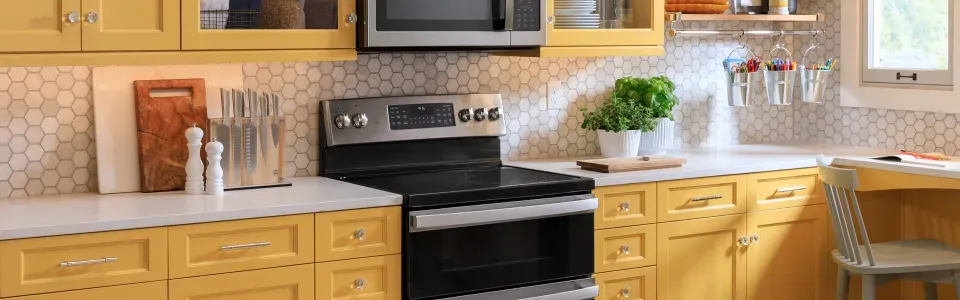
One of the most important design decisions is whether to choose a freestanding or slide-in range, as each impacts both aesthetics and installation requirements.
Freestanding Ranges
Freestanding ranges are the most flexible and widely used option. They typically feature:
-
Finished sides (can stand alone)
-
A backguard with rear controls
-
Easier replacement for existing units
These models are ideal for homeowners who want installation simplicity or are replacing an existing range without modifying cabinetry.
Slide-In Ranges
Slide-in ranges are designed to integrate seamlessly with cabinetry for a more custom look. They typically include:
-
Front control panels
-
No backguard (allows full backsplash visibility)
-
A built-in appearance between cabinets
Slide-in models are especially popular in modern and luxury kitchens because they create a continuous countertop line and more upscale aesthetic.
The tradeoff is that they require more precise installation planning and often must be selected before cabinets are finalized.
Choosing the Right Fuel Type for Your Cooking Style
Fuel type is one of the biggest performance differences between range models. Each option affects cooking speed, control, installation requirements, and long-term usability.
Gas Ranges
Gas ranges provide instant heat and visual flame control, making them ideal for cooks who prefer responsive temperature adjustments. They are especially popular for sautéing, searing, and high-heat cooking.
However, they require a gas line and may not be available in every home without modifications during a remodel.
Electric Ranges
Electric ranges deliver consistent, even heat and are typically easier to install since they only require a 240V connection. They are often more budget-friendly and offer smooth cooktop surfaces that are easy to clean.
They may not respond as quickly as gas when adjusting heat levels.
Induction Ranges
Induction cooking uses electromagnetic energy to heat cookware directly, making it one of the fastest and most efficient cooking methods available. It also keeps the cooktop cooler, improving safety and cleanup.
Induction requires compatible cookware, but performance is unmatched in precision and speed.
Dual Fuel Ranges
Dual fuel ranges combine a gas cooktop with an electric oven, giving homeowners the best of both worlds. This is a popular option in high-end kitchens where baking performance and stovetop control are equally important.
Key Range Features to Consider Before Buying
Modern ranges include a wide variety of features that can significantly improve cooking performance and usability.
Convection Cooking
Convection ovens use a fan to circulate hot air, resulting in faster and more even cooking. This is especially beneficial for baking, roasting, and cooking multiple trays at once.
Smart Connectivity
Many modern ranges now include WiFi-enabled controls that allow users to:
-
Preheat remotely
-
Adjust cooking settings via app
-
Receive alerts and notifications
-
Monitor cooking progress
This is especially useful in connected kitchen ecosystems where appliances work together.
Specialty Burners and Extras
Higher-end ranges may include:
-
High-BTU burners for rapid boiling
-
Simmer burners for delicate sauces
-
Integrated griddles or grill plates
-
Air fry or steam cooking modes
These features add versatility and reduce the need for additional countertop appliances.
Common Mistakes When Choosing a Range
Choosing Size Without Measuring the Space
Many homeowners assume a 30-inch range will fit any standard kitchen opening, but cabinetry variations, backsplash depth, and countertop overhangs can all affect installation. Incorrect sizing can delay a remodel or require costly adjustments.
Ignoring Ventilation Requirements
Ranges generate heat, smoke, and grease, all of which require proper ventilation. Choosing a high-performance range without upgrading the hood can limit cooking efficiency and air quality.
Overlooking Cooking Habits
A professional-style range may not be necessary for someone who primarily reheats or cooks simple meals. Conversely, underestimating cooking needs can result in a range that feels limiting within months.
Waiting Too Long to Choose a Range
In remodeling projects, appliances should be selected early. Range dimensions impact cabinetry, countertops, and ventilation planning, so delaying this decision often creates layout conflicts later.
Why Range Selection Should Be Part of Early Kitchen Planning
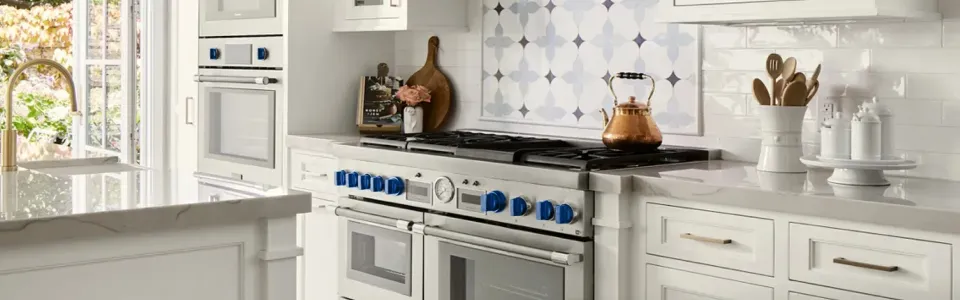
Selecting your range early in the remodeling process helps ensure everything else in the kitchen is designed around it correctly. Cabinet spacing, hood placement, and even electrical and gas routing depend on final appliance specifications.
At Bray & Scarff, appliance specialists frequently work alongside homeowners and contractors to:
-
Confirm exact cutout dimensions
-
Match ventilation systems to appliance performance
-
Coordinate delivery and installation timing
-
Ensure compatibility with cabinetry and layout plans
This reduces delays and prevents costly redesigns during installation.
Top Range Brands to Consider for Your Kitchen
Choosing the right range brand is just as important as selecting the size or fuel type. Different manufacturers prioritize different strengths, some focus on professional cooking power, others on smart technology, and others on design integration. Understanding these differences can help you narrow your decision during a kitchen remodel.
Monogram®: Luxury Performance and Professional Design
Monogram® represents the luxury tier of GE Appliances and is designed for homeowners seeking professional-grade performance at home. Monogram ranges often feature powerful burners, precision temperature control, and premium build materials designed for serious cooking.
Monogram is frequently used in high-end kitchen remodels where performance and aesthetics are equally important. Their appliances are also designed to integrate seamlessly into custom cabinetry and luxury kitchen layouts.
Wolf®: Professional-Grade Cooking Power
Wolf® ranges are widely considered one of the top choices for serious home chefs. Known for their signature red knobs and commercial-inspired design, Wolf appliances deliver precise temperature control, powerful burners, and exceptional oven performance.
Wolf is especially popular in luxury and chef-driven kitchens where performance consistency is critical. Their dual fuel ranges are particularly valued for combining gas cooktops with electric ovens for optimal cooking versatility.
Café™: Design-Driven Customization
Café™ ranges are ideal for homeowners who prioritize kitchen aesthetics and personalization. Known for their customizable hardware finishes and bold design options, Café appliances allow homeowners to match their range to cabinet colors, fixtures, and overall kitchen style.
Beyond design, Café ranges also deliver strong convection cooking performance and smart features similar to GE Profile, but with a stronger emphasis on visual customization. They are often chosen in modern, transitional, and design-forward kitchen remodels.
Bosch®: Precision and European-Inspired Simplicity
Bosch® ranges and cooking appliances are known for clean design, precision engineering, and consistent performance. Their convection systems are highly regarded for even baking and roasting, and their induction offerings are among the most efficient on the market.
Bosch is a strong fit for homeowners who want a minimalist, streamlined kitchen with reliable performance rather than complex feature sets. Their appliances also integrate well into modern and European-style kitchen designs where simplicity is a priority.
KitchenAid®: Balanced Performance for Everyday Cooking
KitchenAid® ranges are a strong choice for homeowners who want dependable performance with a balance of features and value. Their ranges are known for consistent oven temperatures, solid build quality, and user-friendly controls that work well for everyday cooking and baking.
Many KitchenAid models include convection cooking and high-BTU burners, making them versatile enough for both casual home cooks and more experienced bakers. They are especially popular in mid-to-high-end remodels where reliability and ease of use matter more than specialty professional features.
GE Profile™: Smart Features and Connected Cooking
GE Profile™ ranges are designed for homeowners who want a connected kitchen experience with modern convenience features. Many models include WiFi connectivity, app control, guided cooking modes, and remote monitoring, making them one of the strongest options in the smart luxury appliances category.
These ranges often appeal to busy households that value convenience, automation, and integration with other smart home systems. GE Profile also offers strong performance in both gas and electric configurations, making it a flexible option for a wide range of kitchen layouts.
Why Brand Choice Matters in a Kitchen Remodel
In a kitchen renovation, brand selection influences more than just appliance performance. It also affects:
-
Cabinet cutout requirements
-
Ventilation sizing and hood selection
-
Electrical and gas line planning
-
Design consistency across appliances
-
Long-term serviceability and parts availability
Choosing a brand early helps ensure your kitchen layout, cabinetry, and appliance package all work together seamlessly.
At Bray & Scarff, our appliance specialists frequently help homeowners compare brands side-by-side to determine which lineup best fits their cooking habits, design preferences, and renovation goals.
Find the Right Range at Bray & Scarff
Choosing the right range is one of the most important decisions in any kitchen remodel. It affects not just cooking performance, but also layout, ventilation, and long-term satisfaction with your kitchen.
Whether you’re upgrading to a professional-style range or selecting your first kitchen appliance package, Bray & Scarff offers expert guidance, premium brands, and professional repair and installation services to ensure everything fits and functions correctly.
Visit a Bray & Scarff appliance showroom in Maryland and Virginia or connect with an expert to find the perfect range for you with confidence and peace of mind.
Related readings:
-
The Power of Induction: Why It’s Time to Upgrade Your Kitchen
-
Product Highlight: Thermador 48'' Pro Grand® Dual-Fuel Range
FAQs: Choosing The Right Range For Your Kitchen
What size range do I need for my kitchen?
Most kitchens are designed for a 30-inch range, which fits standard cabinet openings. However, larger kitchens can accommodate 36-inch or 48-inch ranges for expanded cooking capacity. The right size depends on your layout, cooking habits, and available space. Always measure your cutout and surrounding cabinetry before purchasing.
What is the difference between freestanding and slide-in ranges?
Freestanding ranges have finished sides and a rear control panel, making them easier to install and replace. Slide-in ranges are designed to sit flush with cabinetry and feature front controls for a more built-in appearance. Slide-in models typically require more precise installation planning. The choice often depends on whether you prioritize flexibility or a custom look.
Which is better: gas, electric, or induction ranges?
Each fuel type has advantages depending on cooking style. Gas offers instant heat control, electric provides consistent baking performance, and induction delivers the fastest and most efficient cooking. Induction is also the safest surface since it stays cooler. The best choice depends on your kitchen setup and cooking preferences.
Are dual fuel ranges worth it?
Dual fuel ranges are often worth it for serious home cooks because they combine a gas cooktop with an electric oven. This setup provides precise stovetop control and more even baking performance. They are especially popular in high-end and luxury kitchen remodels. However, they typically require higher upfront investment and proper installation planning.
When should I choose my range during a kitchen remodel?
You should choose your range early in the planning process, before cabinets and countertops are finalized. The range size and type directly impact ventilation design, cabinet spacing, and utility placement. Delaying this decision can lead to costly redesigns or installation issues. Early selection ensures a smoother remodel process.
Related Articles