
GE Appliances: Effortlessly Clean Your Oven With Steam Clean Technology
Mon Dec 29 2025
- Wall Ovens
When it comes to keeping your oven clean, many homeowners dread the mess of baked-on grease and food residue. That’s where the “Steam Clean” function, offered on many GE Appliances ovens, can make life easier. Instead of using harsh chemicals or extreme heat, steam cleaning uses water and gentle heat to loosen messes so you can wipe them away, saving time and effort while protecting your oven’s interior.
At Bray & Scarff, we encourage regular, smart appliance maintenance, and if your oven has a steam-clean option, this guide will help you get the most out of it while avoiding common pitfalls.
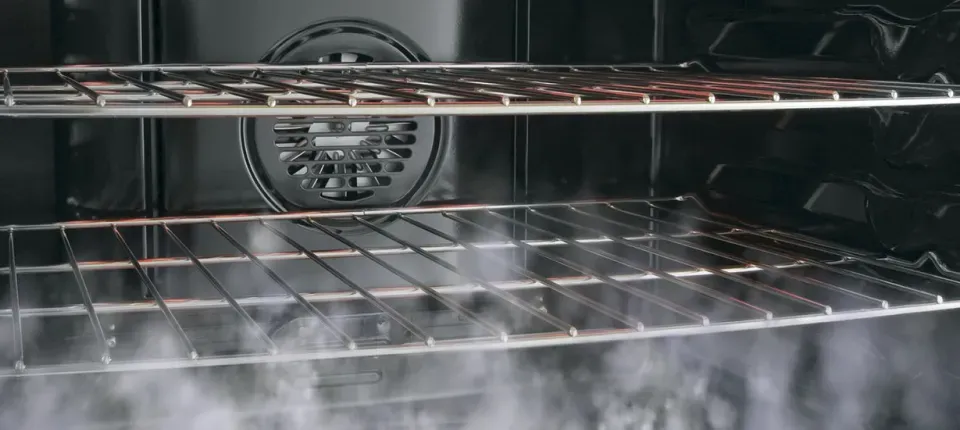
What Is Steam Cleaning, and How Is It Different From Self-Cleaning?
Steam cleaning and self-cleaning ovens both aim to make cleanup easier, but they work in very different ways.
-
Steam Clean uses water heated inside the oven to create steam, which loosens dirt, grease, and food residue. Once the cycle is complete, the loosened grime is wiped away.
-
Self-Clean (Pyrolytic) Ovens use very high heat (often 800-900°F) to essentially burn away residue, turning it into ash you can sweep or wipe away.
Because steam cleaning uses lower heat and water instead of extreme temperature, it’s gentler on the oven’s interior and typically faster, but it’s also best suited for light-to-moderate cleaning rather than stubborn, baked-on messes.
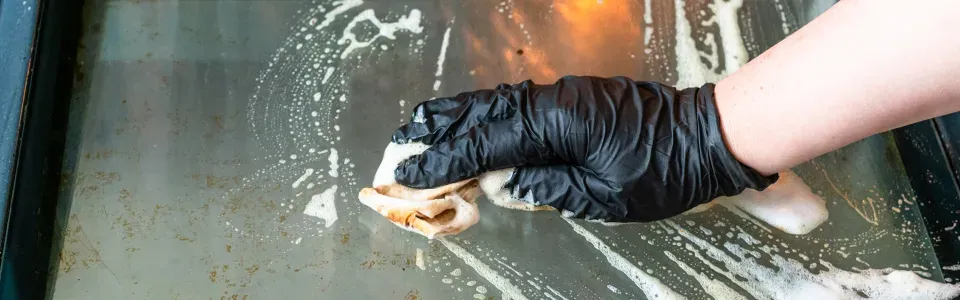
Why Use Steam Clean: Benefits of a Gentle Oven Clean
Here are the main advantages of steam-cleaning your oven:
-
Quick and energy-efficient. Steam cycles typically take 20-30 minutes (sometimes up to an hour), much less than the multiple-hour self-clean cycle
-
Gentle on the oven’s interior. Because steam uses lower heat and water, it reduces stress on components, wiring, seals, and interior coatings, which can extend the appliance’s lifespan.
-
No harsh chemicals, no strong odors. Steam uses just water (and sometimes mild cleaning solutions), so you avoid fumes or smoke often generated during pyrolytic cleaning.
-
Perfect for regular maintenance. Because it’s fast and gentle, steam-cleaning is ideal for wiping away spills and light messes before they become stubborn crusts.
-
Less disruption to your kitchen routine. Short cleaning times and no smoke means you can clean more frequently, and don’t need to block off your kitchen for hours.
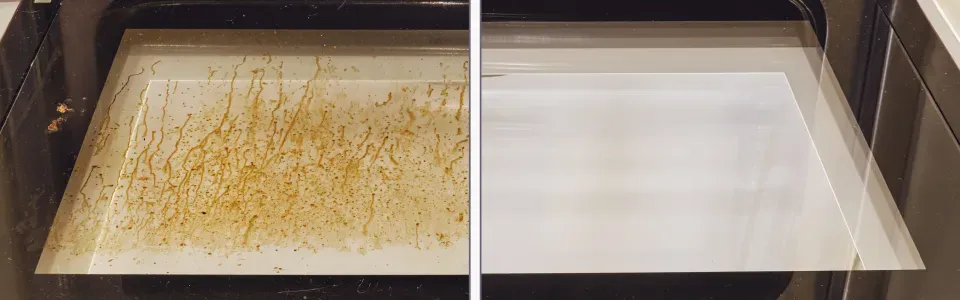
When Steam Clean Works Best
Best Use Cases
Steam cleaning is ideal when:
-
Your oven has light spills or splatters after cooking.
-
You want to clean frequently to prevent buildup.
-
You own an oven with interior coatings or components that benefit from gentle care.
-
You prefer energy efficiency, low odor, and a quick cleanup option.
Limitations & When Self-Clean or Manual Cleaning Is Better
-
Steam cleaning may not fully remove heavy, baked-on grease or food spills. Tough residue sometimes requires a self-clean cycle or manual scrubbing.
-
After steam cleaning, you may need to wipe thoroughly, residual water or loosened grime can remain if not properly dried.
-
Some ovens or surfaces (especially older, uncoated ones) might require extra care or even avoid steam cleaning if not recommended by the manufacturer. Always consult your owner’s manual.
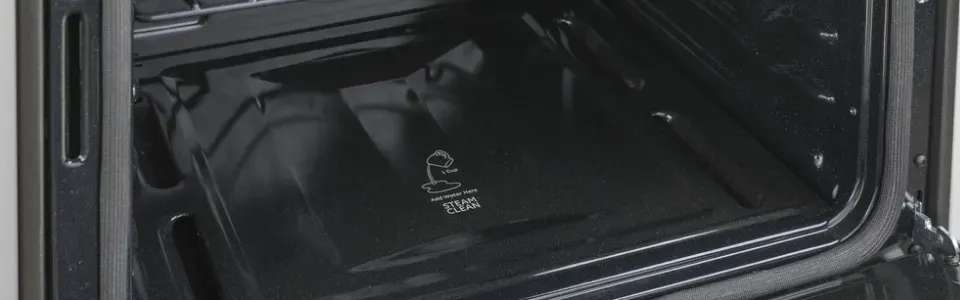
How to Steam Clean Your Oven: Step-by-Step Instructions
If your oven has a Steam Clean feature (like many GE ovens do), here’s a tested method to follow:
-
Remove oven racks, pans, and any removable accessories from the oven.
-
Add the amount of water specified in your oven’s manual, typically this means pouring water into the bottom of the oven cavity or onto a dedicated reservoir.
-
Select the “Steam Clean” mode or cycle on the oven control panel. Start the cycle. The oven will heat moderately and produce steam.
-
Once the cycle finishes (usually 20-60 minutes), let the oven cool slightly, then open the door carefully (steam may still be present).
-
Use a soft damp cloth or sponge to wipe away loosened grease, residue, and water. For stubborn spots, a gentle non-abrasive scrub may be needed.
-
Dry thoroughly to prevent water buildup, especially if your oven has metal or coated interiors.
Tips to Keep Your Oven Cleaner, Longer
-
Wipe spills promptly. The sooner you catch splatters, the easier they are to clean later. A quick wipe after cooking goes a long way.
-
Steam clean regularly. A short steam clean once every few weeks (or after heavy cooking sessions) helps prevent buildup and preserves oven performance.
-
Use oven liners or trays. Place a removable tray under roasting pans to catch drips and crumbs, making cleanup easier.
-
Avoid harsh chemicals or abrasive scrubbers. These can damage the oven surface or coatings. Steam + gentle wiping is often sufficient.
-
Ensure proper ventilation. Even though steam clean doesn’t generate smoke, wiping damp residue sometimes releases odors, open windows or run a fan if sensitive.
Upgrade Your Cooking Experience with Bray & Scarff
If you’re cooking regularly and want an oven that's easy to maintain, consider investing in a high-quality cooking appliance from Bray & Scarff. We carry a full range of premium ovens that offer steam clean, self clean, convection, and smart cooking features under our cooking appliances lineup, designed to make home cooking easier, cleaner, and more enjoyable.
Visit one of our showrooms proudly servicing locations across the Maryland and Virginia area to explore the latest kitchen ranges, cooktops, wall ovens, and more, and let our experts help you find the right fit for your cooking habits and lifestyle.
Related readings from our blog:
FAQs: How to Clean Your Oven with GE Appliances Steam Clean
Is steam cleaning safe for all ovens?
Most modern ovens with a Steam Clean feature, especially from trusted brands such as GE, are designed for safe steam cleaning. Always consult your oven’s user manual to confirm suitability and follow the manufacturer’s instructions.
How often should I steam clean my oven?
For regular cooks, a light steam clean every few weeks is ideal. For heavy cooking (roasts, casseroles, frequent baking), clean soon after the meal. This helps prevent buildup and keeps the oven performance optimal.
Can steam clean remove baked-on grease and spills?
Steam cleaning works best for grease and spills that haven’t hardened completely. For stubborn, baked-on messes, a self-clean cycle or manual cleaning may still be needed.
Will steam cleaning damage the oven interior or coatings?
When used as directed, steam cleaning is gentler than high-heat self-clean cycles. It reduces stress on components, helps preserve coatings, and extends the oven’s lifespan, especially when maintained regularly.
Do I need to scrub or rinse after steam cleaning?
Yes, steam loosens dirt and grime, but you still need to wipe and dry the interior thoroughly to remove residues and avoid water spots or rust.
Related Articles