
Steam Oven vs Regular Oven: Which is Right for Your Kitchen?
Wed Sep 24 2025
- Wall Ovens
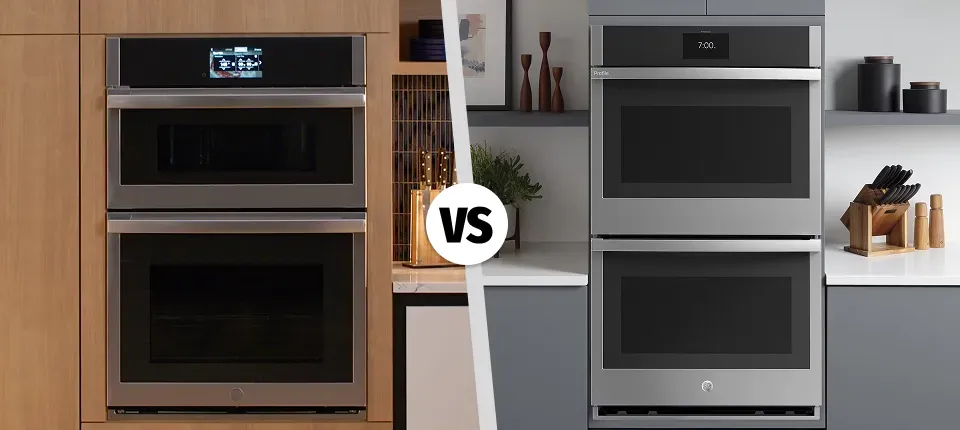
When it comes to upgrading your kitchen, choosing the right oven can make all the difference in your cooking experience. Traditional ovens have long been a household staple, offering versatile baking, roasting, and broiling capabilities. But in recent years, steam ovens have become increasingly popular among home chefs who want healthier meals, faster cooking times, and exceptional flavor preservation.
So, how does a steam oven compare to a regular oven, and which one is the right fit for your home? In this guide, we’ll break down the differences, benefits, and considerations of each, so you can make an informed decision for your next kitchen upgrade.
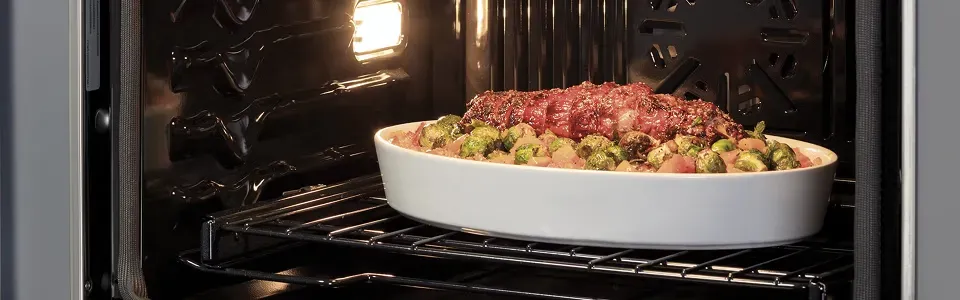
What is a Regular Oven?
A regular oven, more commonly known as conventional or convection ovens, uses dry heat to cook food. Depending on the model, it may feature:
-
Conventional Heating - where heat comes from elements at the top and bottom of the oven.
-
Convection Heating - which uses a fan to circulate hot air for more even cooking.
Convection ovens have been a long-running appliance standard in households since the 1940s, offering convenience and familiarity in terms of model selections and functionality. Over the years, convection ovens have evolved aesthetically, but still mainly offer
Benefits of a Regular Oven
Regular ovens offer a wide range of benefits for a variety of different cooking needs and kitchen preferences. Some of these benefits include:
Versatility: Convection ovens allow for different cooking capabilities like baking, roasting, and broiling. You can bake cakes, roast meats, broil fish, or cook casseroles more efficiently with these models.
Widely Available: Traditional ovens come in gas, electric, and dual-fuel models, with endless design options.
Browning & Crisping: Dry heat makes it ideal for achieving crispy crusts, golden-brown toppings, and caramelization.
Large Capacity: Often better for cooking multiple dishes at once, especially in larger families or for entertaining.
Limitations of a Regular Oven
Traditional oven styles come with some level of limitations and considerations you should account for when it comes to usage. Food can dry out if not carefully monitored and cooking times are generally longer than other oven options and styles. They also retain less natural moisture and nutrients compared to a cooking style like steam-based cooking, so they can be seen as a “less healthy” oven option.
However, regular convection ovens have long-provided increased utility and versatility along with practical solutions with widely available styles and design options that can go in any home.
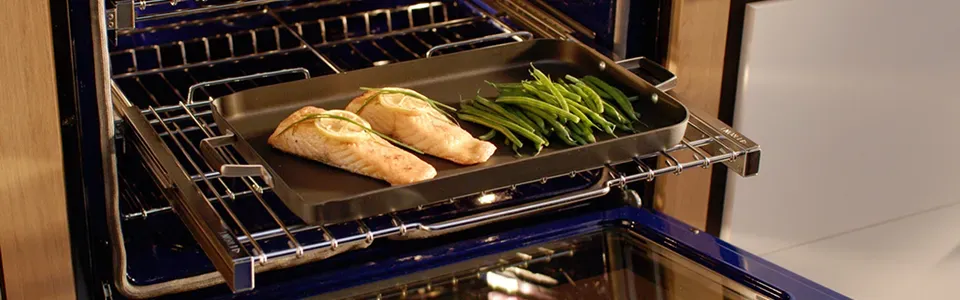
What is a Steam Oven?
A steam oven, sometimes called a steam or combi-steam oven, uses hot steam to cook food. Some models are pure steam ovens, while others are combi ovens that combine steam with conventional convection baking.
These styles of ovens have become increasingly popular in recent years and in more modern homes, often offering a more sleek and modern look to elevate home kitchen spaces.
Benefits of a Steam Oven
Steam ovens provide a handful of benefits that differ from the capabilities provided by traditional convection ovens. These include:
Healthier Cooking: Steam retains more vitamins, minerals, and nutrients compared to dry heat.
Moist & Tender Results: Ideal for vegetables, seafood, chicken, and even bread.
Faster Cooking: Steam transfers heat more efficiently than air, reducing cooking times.
Reheating Without Drying Out: A major advantage over microwaves, leftovers taste freshly cooked.
Perfect for Baking: Steam helps bread rise higher and creates bakery-quality crusts.
Limitations of a Steam Oven
Steam ovens are generally more compact than traditional ovens meaning less capacity for cooking, especially for those with larger families or more simultaneous cooking needs. Some recipes may need adjustment when transitioning from conventional baking, so for newer chefs or long-time regular oven users, a learning curve will be present to truly perfect certain recipes.
Steam ovens are also positioned higher when it comes to cost, as their alternative benefits targeting faster, healthy meals and regular maintenance requirements are factored into the amount of investment you’d need for one.
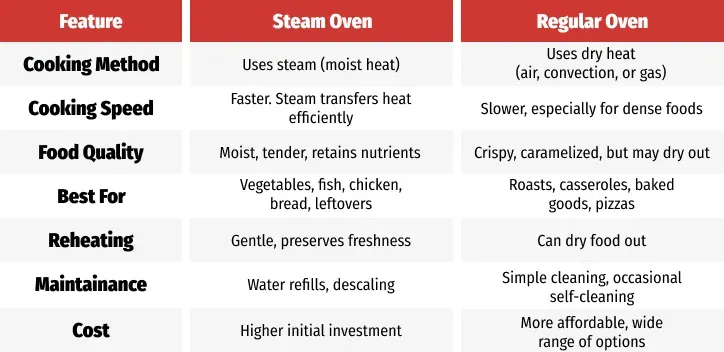
Steam Oven vs Regular Oven Feature Comparison
Steam ovens and regular ovens each offer unique features and capabilities that help target different needs and preferences for users and home chefs. Understanding how each oven style works and the features they present help position you to make the right decision between which is right for your kitchen.
When to Choose a Steam Oven
A steam oven may be the best choice if you:
-
Prioritize Health - Steam cooking retains more nutrients and eliminates the need for excess oils.
-
Cook Vegetables & Seafood Often - Foods stay moist, colorful, and flavorful.
-
Love Fresh Bread - Steam assists with dough rise and creates artisan-style crusts.
-
Reheat Leftovers Frequently - Meals won’t dry out the way they do in microwaves.
-
Value Efficiency - Steam speeds up cooking, saving time on busy weeknights.
When to Choose a Regular Oven
A traditional convection oven might be the right fit if you:
-
Enjoy Crispy & Browned Foods – Dry heat is ideal for roasting, broiling, and crisp textures.
-
Cook for Larger Groups – Bigger capacity makes it easier to cook multiple dishes at once.
-
Want Versatility – A conventional or convection oven can handle almost any recipe.
-
Are Budget-Conscious – Traditional ovens are more affordable and widely available.
-
Prefer Familiarity – No need to adjust recipes or learn new cooking techniques.
The Best of Both Worlds: Combination Steam Ovens
For homeowners who don’t want to compromise, combination steam ovens are an excellent choice to help elevate your home kitchen space and take your cooking routine to the next level. These ovens allow you to switch between steam cooking, conventional baking, or a hybrid mode that combines both.
This means you can:
-
Roast a chicken with steam for juiciness, then switch to dry heat for a crispy finish.
-
Bake bread with a steam burst for rise, then brown the crust with convection heat.
-
Cook casseroles that stay moist inside without sacrificing texture on top.
Combination ovens are becoming increasingly popular as they merge the strengths of both cooking methods into a single appliance.

Featured Combination Steam Oven at Bray & Scarff
Bray & Scarff offers the Thermador 48'' Pro Grand Dual-Fuel Range, commercial-depth dual fuel range built to impress both in form and function. Its stainless steel frame houses a formidable 6-burner cooktop plus an induction module, dual ovens (including a steam + convection option), and a warming drawer, offering chefs total flexibility across heat types.
Here are some features that help this unit standout:
-
ExtraHigh Star Burner (22,000 BTU): This high-output burner delivers serious searing power, perfect for boiling, wok work, or rapid sautéing.
-
Four ExtraLow Burners: Ideal for delicate tasks like melting chocolate or keeping sauces simmering without scorching.
-
Liberty Multi-Zone Induction Module: Two induction zones with HeatShift® and PanBoost® technology adapt to pan movement and rapidly adjust heat levels.
-
Steam + Convection Oven: Combines the benefits of steam (humidity, moisture retention) with convection (even airflow) across 9 advanced cooking modes.
-
True Convection with Third Heating Element: Allows for baking on multiple racks with consistent results and minimal flavor transfer.
-
SuperFast 2-Hour Self-Clean: One of the fastest self-clean cycles in its class, saving time and reducing downtime.
-
Three Full Access Telescopic Racks: These racks glide out smoothly to handle heavy dishes safely and comfortably.
-
Warming Drawer: Spacious enough to hold up to ten 11" dinner plates, it helps maintain meals at serving temperature while other dishes finish cooking.
-
Smart Integration with Home Connect: Remote control, status updates, and diagnostics via app or voice control (Alexa) bring modern convenience to a pro-level range.
This range is ideal for home chefs who want professional capability without compromising on modern features. Whether you're searing steaks, slow-simmering sauces, baking delicate desserts, or remotely preheating from your phone, the Thermador offers versatility, precision, and durability to match its bold presence.
Discover the Right Oven for You at Bray & Scarff
The debate of steaming ovens vs regular ovens isn’t about which is objectively better. It’s about which is better for you. Both options bring unique strengths to the kitchen, and for many home chefs, the ideal solution may even be owning both.
At Bray & Scarff, we carry a wide selection of traditional ovens, steam ovens, and combination models from trusted brands like Wolf, Cafe, Monogram, Bosch, and more. We also offer a wide range of home cooking appliances including ranges, cooktops, wall ovens, and oven combinations. No matter your home kitchen needs or preferences, our appliance experts can help you find the perfect fit for your cooking style, kitchen design, and budget.
Learn more about our remodeling program and how we can set you up to find the right appliances to elevate your remodeling or home renovation project. Whether you choose the latest steam oven model or a versatile regular convection oven, visit one of our showrooms proudly servicing locations across the Maryland and Virginia area to find the right fit for you in person.
Related Readings from our blog:
View this post on Instagram
FAQ: Steam Oven vs Regular Oven
Do steaming ovens replace regular ovens?
Not necessarily. While steaming ovens are excellent for vegetables, fish, bread, and reheating leftovers, they may not fully replace a regular oven for tasks like broiling, crisping, or cooking multiple dishes at once. Many homeowners prefer having both or choosing a combination steam oven for maximum flexibility.
Are steam ovens worth the price?
Yes, for many families. The ability to prepare healthier meals, preserve nutrients, and save cooking time makes steam ovens a smart long-term investment. They also add value to your home during resale, especially in modern kitchens.
Can you bake in a steam oven?
Absolutely. In fact, steam ovens excel at baking bread because the added moisture helps dough rise and creates a bakery-quality crust. For cakes, pastries, and cookies, combination steam ovens that offer both steam and dry heat are the best choice.
Which oven is better for families?
It depends on cooking habits. Families who cook large meals at once may prefer a traditional oven for its capacity. Health-conscious families or those with busy schedules may appreciate the speed and nutrition benefits of a steam oven.
Related Articles