
Energy-Efficient Kitchen Upgrades
Fri May 23 2025
- Appliances
- Kitchen
Energy efficiency is essential for modern homes. According to the U.S. Energy Information Administration, appliances and lighting make up about 48% of an average household's energy use.
Upgrading to energy-efficient appliances can significantly lower utility costs and shrink your carbon footprint. This guide explores how to plan an energy-efficient kitchen remodel using smarter appliances, lighting, and sustainable materials.

The Benefits of an Energy-Efficient Kitchen
Upgrading to an energy-efficient kitchen is a step toward a home that works harder for you, and the benefits speak for themselves.
Lower Utility Bills
Kitchen appliances and lighting use a lot of energy, but upgrading to energy-efficient options can make a big difference. Think about an energy-efficient refrigerator that uses half the energy of your old one or an energy-efficient dishwasher that gets the job done with less water. These savings add up fast, and over time, they can pay for themselves. Plus, you’ll notice the difference in your utility bills every month.
Environmental Benefits
Every upgrade you make to reduce energy and water usage contributes to a healthier planet. Lowering your carbon footprint helps create a better future for your family and future generations. Energy-efficient products are designed to last longer too, which means less waste and more value. It’s a win-win for you and the environment.
Increased Home Value
Energy-efficient kitchens aren’t just practical—they’re a selling point. Today’s homebuyers look for homes that are stylish and efficient. Highlighting features like smart lighting and water-saving fixtures make your home more appealing and marketable. These upgrades add real value to your home.
1. Choose Energy-Efficient Appliances
Upgrading to energy-efficient appliances, as well as appliances that have smart features, is one of the best ways to boost your kitchen’s efficiency.
Energy Star-Certified Appliances
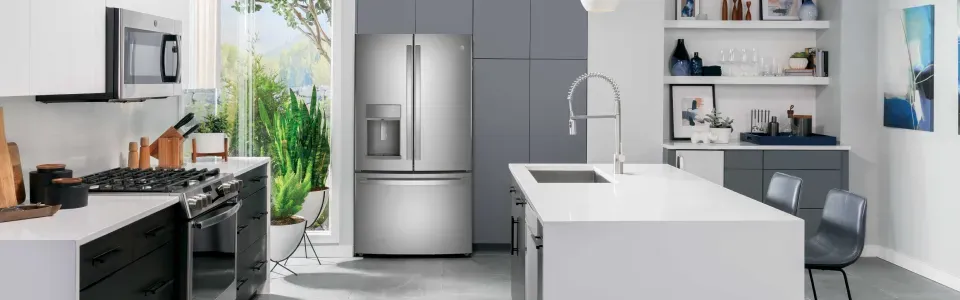
Look for the Energy Star label when purchasing appliances. Products like energy-efficient refrigerators, like the GE ENERGY STAR® Counter-Depth French-Door Refrigerator (Model: GYE18JYLFS), are designed to consume less power without sacrificing performance.
Smart Appliances
Smart appliances take efficiency a step further. These appliances allow remote operation via smartphone, optimize energy usage by running during off-peak hours, and even send alerts for maintenance.
2. Upgrade to LED Lighting
Lighting accounts for a significant portion of kitchen energy use, and staying up to date with modern kitchen lighting trends can help you make smarter, more sustainable choices. LEDs are up to 75% more efficient than traditional bulbs and last significantly longer, reducing both energy consumption and waste.
Pair LED lights with smart systems like motion sensors or app-controlled dimmers—key features in today’s lighting trends. These innovations make sure lights are only used when necessary, further cutting down on energy use while adding convenience and style to your kitchen.
In addition to standalone lighting fixtures, consider upgrading your kitchen appliances to those that feature energy-efficient LED lighting. For example, refrigerators like the KitchenAid Built-In Stainless French Door Refrigerator (Model: KBFN502ESS) comes with LED lights that brighten every corner of your fridge while using minimal energy.
If you're looking for a luxury design with LED lighting, the Thermador Freedom® Built-in French Door Bottom Freezer (Model: T36BT110NS) combines luxurious style and energy efficiency. Its vibrant LED lighting illuminates every shelf, making your food and beverages easy to find while adding a touch of sophistication to your kitchen.
3. Choose Sustainable Materials
Sustainable materials reduce environmental impact and can improve your kitchen’s efficiency.
-
Countertops: Consider recycled glass, bamboo, or quartz made with recycled materials.
-
Cabinetry: Opt for reclaimed wood or cabinets with low-VOC finishes to enhance indoor air quality.
-
Flooring: Cork and bamboo flooring offer natural insulation, which helps regulate your kitchen’s temperature.
Pro Tip: Bray & Scarff offers helpful countertop samples and cabinet samples to help you visualize certain styles and colors before committing
4. Improve Water Efficiency
Being mindful of how much water you’re using while showering or brushing your teeth is helpful, but there are a few other factors to consider when improving water efficiency.
Install Water-Saving Fixtures
Fixtures with the WaterSense label reduce water waste without sacrificing performance. Low-flow faucets and touchless options are excellent choices for reducing water usage.
Upgrade Your Plumbing
Replacing outdated pipes with insulated options can improve water heating efficiency, which helps you reduce energy consumption over time. It’s a simple upgrade that helps your home run more smoothly and saves you money in the long run.
Choose a Water-Efficient Dishwasher
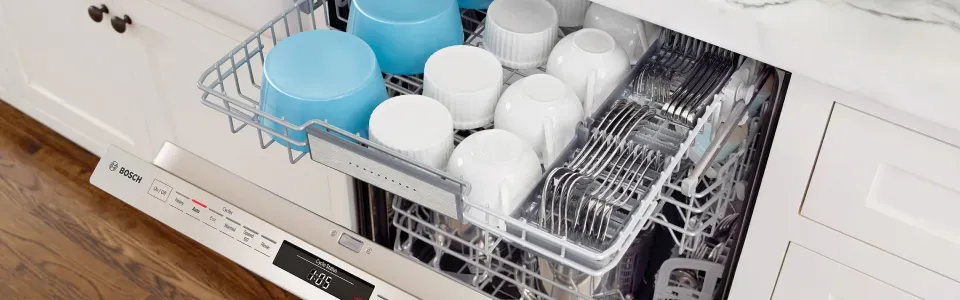
Upgrading to a water-efficient dishwasher not only reduces your household’s water consumption but also helps lower utility bills over time. Here are three of our top picks:
-
Bosch Benchmark® Dishwasher (Model: SHV9PCM3N): Equipped with CrystalDry™ technology, this model transforms moisture into heat for efficient drying. Its ENERGY STAR certification guarantees optimal water and energy efficiency.
-
Fisher & Paykel Series 11 Professional Tall Double DishDrawer™ Dishwasher (Model: DD24DTX6PX1): This unique double-drawer design is perfect for smaller loads, reducing water usage without sacrificing convenience. Its ENERGY STAR® Most Efficient rating highlights its exceptional efficiency.
5. Optimize Your Kitchen Layout
A well-thought-out kitchen layout doesn’t just improve functionality—it can also make your space more energy-efficient.
Maximize Natural Light
Installing larger windows or skylights reduces reliance on artificial lighting during the day. Reflective surfaces, like glossy countertops or glass tiles, can also help brighten your space by bouncing light around.
Design For Small Spaces Effectively
If you’re remodeling a small kitchen, optimizing your layout is essential for balancing functionality and energy efficiency. Space-saving strategies, like adding multi-functional furniture or maximizing vertical storage, can make a significant difference.
For example, kitchen islands with built-in storage or extendable countertops can provide extra workspace without overwhelming the room. Similarly, adding wall-mounted shelves or tall cabinets means every inch is used efficiently. Light-colored finishes, reflective surfaces, and thoughtful lighting design can also create the illusion of a larger, brighter space.
Efficient Ventilation
Energy-efficient range hoods and ventilation systems improve air quality and maintain a comfortable kitchen temperature, easing the strain on your HVAC system.
→ Not sure how to design a layout that maximizes natural light and efficiency? Try our Virtual Kitchen Designer to visualize your dream kitchen and test out energy-efficient options
6. Embrace Renewable Energy
Bringing renewable energy into your kitchen is a powerful way to reduce your environmental impact while adding modern convenience to your home.
Solar-Powered Kitchens
Installing solar panels can power your kitchen appliances with renewable energy. Though the upfront cost can be high, federal incentives and long-term savings make this a worthwhile investment.
Energy Storage
Pairing solar panels with home batteries ensures your kitchen has a reliable energy source, even during power outages or peak usage times.
Energize Your Kitchen with Bray & Scarff
Upgrading to an energy-efficient kitchen is a smart investment for your home, your wallet, and the environment. Explore our selection of energy-efficient kitchen appliances today and take the first step toward a greener, more sustainable home! Bray & Scarff offers access to experienced kitchen design experts who can guide you through every step of your remodel.
Contact us online or visit one of our local appliance stores to explore our wide selection of kitchen appliances from top brands like Café, Bosch, GE, and more. With convenient locations across Maryland and Virginia, Bray & Scarff is your trusted partner for luxury kitchen appliances and remodeling. Check out our blog for more inspiration!
Related Readings:
FAQs: Energy-Efficient Kitchens
1. How can I make a kitchen more energy-efficient?
Upgrade to Energy Star-certified appliances, switch to LED lighting, use water-saving fixtures, and ensure proper insulation in your kitchen.
2. Which cooking method is most energy-efficient?
Induction cooking is the most energy-efficient method, as it uses magnetic energy to heat cookware directly, minimizing heat loss.
3. What is the cheapest way to cook with electricity?
Slow cookers and pressure cookers are cost-effective and energy-efficient options for cooking meals with electricity.
4. What appliance wastes the most energy?
Older refrigerators, especially those without Energy Star certification, are often the biggest energy wasters in a kitchen.
5. What appliances use the least electricity?
Appliances like microwaves, blenders, and coffee makers use minimal electricity compared to larger appliances like ovens and refrigerators.
Related Articles