
Microwave Oven vs. Convection Oven: What’s the Difference?
Wed May 27 2026
- Wall Ovens
- Microwaves
When designing a kitchen or upgrading appliances, many homeowners compare microwave ovens and convection ovens without fully understanding how differently they cook. While both appliances generate heat, they serve very different purposes in the kitchen and can dramatically impact how food is prepared.
Microwave ovens prioritize speed and convenience, making them ideal for reheating leftovers, defrosting frozen foods, and handling quick everyday meals. Convection ovens, on the other hand, focus on even cooking and better texture by circulating heated air throughout the oven cavity.
Understanding the strengths and limitations of each appliance can help you decide which option fits your cooking style, kitchen design, and long-term needs.
Key Takeaways: Microwave Oven vs Convection Oven
-
Microwave ovens heat food quickly using electromagnetic waves, while convection ovens cook with circulating hot air
-
Convection ovens are better for baking, roasting, and crisping foods evenly
-
Microwave ovens are ideal for reheating, defrosting, and fast everyday cooking tasks
-
Combination microwave-convection models offer speed and versatility in one appliance
-
Choosing the right option depends on your cooking habits, kitchen layout, and performance expectations

How Does a Microwave Oven Work?
A microwave oven uses electromagnetic waves to heat water molecules inside food. Instead of heating the air around the food like a traditional oven, microwaves generate heat directly within the food itself. This allows microwave ovens to cook and reheat items significantly faster than most other cooking appliances.
Because microwaves heat food internally, they excel at:
-
Reheating leftovers
-
Defrosting frozen foods
-
Cooking quick meals
-
Warming beverages and snacks
However, microwave ovens typically do not brown or crisp foods effectively because they do not create dry circulating heat. Foods that are meant to be crispy or roasted often come out softer or unevenly textured when cooked solely in a microwave.
Modern microwave ovens have evolved considerably and now include advanced features like sensor cooking, inverter technology, steam cooking modes, and built-in smart functionality.
How Does a Convection Oven Work?
A convection oven uses a fan and exhaust system to circulate hot air evenly throughout the oven cavity. This continuous airflow helps food cook more consistently while improving browning, roasting, and crisping.
Compared to standard ovens, convection ovens typically:
-
Cook food faster
-
Create more even baking results
-
Improve texture and browning
-
Reduce hot and cold spots inside the oven
Because of the airflow, convection ovens are especially effective for roasting meats, baking pastries, cooking multiple trays at once, and achieving crisp finishes on foods like vegetables or pizza.
Many modern wall ovens and ranges now include convection cooking modes because homeowners increasingly prioritize cooking performance and versatility.
Microwave Oven vs. Convection Oven: Key Differences
Cooking Speed
Microwave ovens are significantly faster than convection ovens because they heat food directly rather than gradually warming the surrounding air. Instead of waiting for the oven cavity to preheat, microwaves begin heating food almost immediately, making them ideal for quick meals and everyday convenience.
For example:
-
Reheating leftovers may take 2-3 minutes in a microwave
-
The same task may take 10-15 minutes in a convection oven
This speed advantage makes microwave ovens especially useful for busy households, quick lunches, late-night meals, and multitasking during meal prep. Many homeowners rely on microwaves daily because they reduce cooking time dramatically for smaller portions and routine reheating tasks.
Convection ovens still cook faster than traditional ovens, but they are designed more for cooking quality than maximum speed. The circulating airflow helps reduce overall cook times compared to standard baking methods, but they still require preheating and longer cooking cycles than microwaves.
Food Texture and Browning
One of the biggest differences between these appliances is how food looks and tastes after cooking. While microwave ovens excel at heating food quickly, they do not typically create the dry heat necessary for crisping or browning.
Microwave ovens are excellent for moisture retention but often struggle to produce crispy or roasted textures. Foods like fries, breaded items, roasted vegetables, or baked goods may come out softer or slightly uneven when cooked solely in a microwave. This is because microwaves heat water molecules internally rather than caramelizing the exterior surface of food.
Convection ovens excel in this area because circulating hot air removes surface moisture and promotes browning. This results in:
-
Crispier exteriors
-
More even browning
-
Better texture overall
This cooking method is especially beneficial for homeowners who enjoy roasting meats, baking pastries, or achieving restaurant-style texture and consistency at home. Convection cooking also helps foods cook more evenly from edge to center, reducing the risk of undercooked or overcooked areas.
Baking Performance
Convection ovens are widely preferred for baking because they distribute heat more evenly across the entire oven cavity. The continuous airflow helps maintain consistent temperatures throughout the oven, which is critical for recipes that require precision.
Convection baking works especially well for:
-
Cookies
-
Cakes
-
Pastries
-
Roasted vegetables
-
Multiple baking trays
Because the heat circulates continuously, baked goods often cook more evenly and develop better color and texture. This is especially important for recipes that require crisp edges, flaky crusts, or evenly baked interiors.
Microwave ovens generally are not intended for traditional baking unless they include combination convection functionality. While some advanced microwave models can handle limited baking tasks, they usually do not match the consistency or texture produced by a true convection oven.
For homeowners who bake frequently or entertain often, convection cooking offers a noticeable improvement in both performance and versatility.
Energy Efficiency Considerations
Microwave ovens are typically more energy efficient for small cooking tasks because they cook food quickly and do not require lengthy preheating.
Convection ovens, while larger and more powerful, can still be more efficient than conventional ovens because they cook at lower temperatures and reduce overall cooking times.
The most energy-efficient choice often depends on what you’re cooking and how frequently you use the appliance.
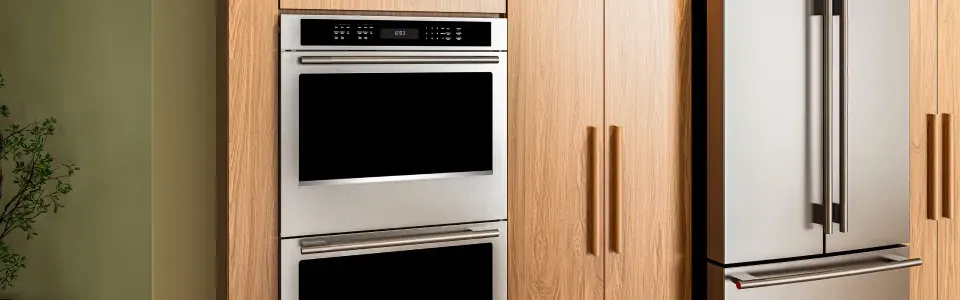
What Is a Combination Microwave-Convection Oven?
Combination microwave-convection ovens combine both cooking methods into a single appliance. These models allow homeowners to switch between microwave cooking, convection baking, or a hybrid mode that uses both simultaneously.
Combination units offer several advantages:
-
Faster cooking with improved texture
-
Space-saving flexibility
-
Greater cooking versatility
These appliances are especially popular in:
-
Smaller kitchens
-
Modern kitchen remodels
-
Homes prioritizing multifunctional appliances
For homeowners who want the speed of a microwave with the browning capabilities of convection cooking, combination units can provide the best of both worlds.
Which Appliance Is Better for Your Kitchen?
The right choice depends largely on how you cook and what you prioritize in your kitchen.
A microwave oven may be best if you:
-
Frequently reheat leftovers
-
Need fast meal preparation
-
Prioritize convenience and speed
-
Have limited kitchen space
A convection oven may be better if you:
-
Bake or roast frequently
-
Want crispier, more evenly cooked food
-
Prefer more advanced cooking performance
-
Enjoy entertaining or cooking larger meals
Many homeowners ultimately choose to have both because each appliance serves a different purpose.
Kitchen Design Trends Are Increasingly Combining Both
Modern kitchens increasingly incorporate multiple cooking appliances to improve flexibility and convenience. Built-in microwave drawers, speed ovens, convection wall ovens, and combination units are all becoming more common in contemporary kitchen design because homeowners want appliances that support both performance and streamlined aesthetics.
This layered appliance approach allows homeowners to:
-
Prepare multiple dishes simultaneously
-
Reduce cooking bottlenecks during entertaining
-
Improve overall kitchen workflow
-
Create cleaner, more integrated kitchen layouts
Luxury kitchen designs especially prioritize appliance specialization because it creates a more efficient and functional cooking environment. Many homeowners are also moving toward simplified, minimal kitchen aesthetics that conceal appliances more seamlessly within cabinetry and overall kitchen design. This growing preference for cleaner lines and integrated layouts aligns closely with the design principles discussed in Bray & Scarff’s “How to Design a Modern Minimalist Kitchen” blog, which explores how modern kitchens are embracing streamlined functionality and intentional design choices.
Combination microwave-convection appliances are becoming particularly popular in these modern layouts because they help maximize cooking versatility without requiring additional space. For smaller kitchens, open-concept homes, and luxury remodels alike, integrated cooking solutions continue to shape the future of kitchen design.

Find the Right Cooking Appliances at Bray & Scarff
Whether you’re upgrading your kitchen or planning a full remodel, choosing the right cooking appliances can dramatically improve your everyday cooking experience. From convection wall ovens to modern microwave solutions, Bray & Scarff offers appliances designed to match a
With expert guidance, premium appliance brands, and professional repair and installation services, Bray & Scarff can help you create a kitchen that balances performance, convenience, and design. We offer a catalog of appliances across home and kitchen categories you can choose from, including options in refrigeration, laundry, dishwashers, and more. Visit a Bray & Scarff appliance showroom in Maryland and Virginia or connect with an expert to start creating your dream kitchen with ease.
Related readings:
-
Steam Oven vs Regular Oven: Which is Right for Your Kitchen?
-
GE Appliances: Effortlessly Clean Your Oven with Steam Clean Technology
FAQs: Microwave Oven vs Convection Oven
Is a convection oven better than a microwave?
A convection oven is not necessarily better than a microwave, it simply serves a different purpose. Convection ovens are ideal for baking, roasting, and crisping foods because they circulate hot air evenly throughout the oven. Microwaves are better for fast reheating and defrosting. Many homeowners use both appliances because they complement each other well.
Can a convection oven replace a microwave?
A convection oven can handle many cooking tasks, but it typically cannot match the speed and convenience of a microwave for reheating food quickly. While convection ovens produce better texture and browning, they require longer cooking times and preheating. Combination microwave-convection ovens offer a middle ground by providing both cooking methods in one appliance. The best choice depends on your cooking habits and kitchen needs.
What foods cook best in a convection oven?
Convection ovens are excellent for foods that benefit from browning and even heat distribution. Roasted vegetables, cookies, pastries, meats, and pizzas often cook better in convection mode because circulating air improves texture and consistency. Convection ovens are also ideal for cooking multiple trays at once. The airflow helps eliminate uneven cooking and hot spots.
Do convection ovens cook faster than regular ovens?
Yes, convection ovens typically cook faster than traditional ovens because the circulating hot air transfers heat more efficiently. Many recipes can be cooked at slightly lower temperatures while still achieving faster results. This can help reduce overall cooking times and improve consistency. However, microwaves are still significantly faster for reheating and quick cooking tasks.
What is a microwave convection combo oven?
A microwave convection combo oven combines microwave cooking and convection baking into one appliance. These models allow users to quickly reheat food while also providing baking and roasting capabilities. Combination units are popular in modern kitchens because they save space and increase versatility. They are especially useful for homeowners who want speed without sacrificing cooking performance.
Related Articles