
Why Two Sinks Are Better Than One in Your Kitchen
Wed Jan 28 2026
- Sinks
Kitchens are more than just places for appliances, they’re the heart of how your household lives, entertains, and connects. One of the smartest design upgrades you can make is adding a second sink. Whether you’re renovating or planning a new kitchen, a double-sink layout isn’t just stylish, it’s functional, time-saving, and built for how people really use their space today.
From meal prep to cleanup to hosting gatherings, having two sinks helps you stay organized, efficient, and stress-free. Let’s dive into why two sinks are better than one, and how to choose the perfect setup for your kitchen.
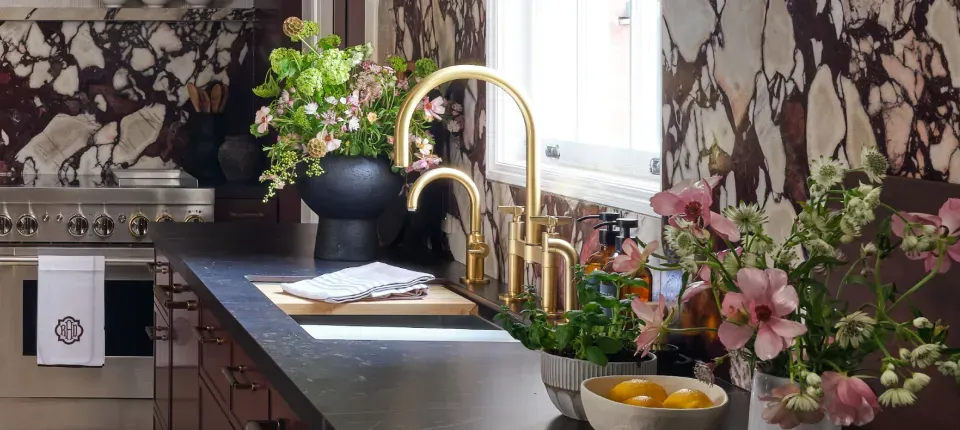
What “Two Sinks” Really Means (and Why It Works)
A double sink setup doesn’t always mean two sinks side by side. It can mean:
-
Prep sink + main sink: dedicated space for washing produce, mixing ingredients, and staging food prep.
-
Main sink + cleanup sink: one sink for dishes and another for food prep or hand washing.
-
Dual equal-sized sinks: great for larger households where two people cook or clean at once.
-
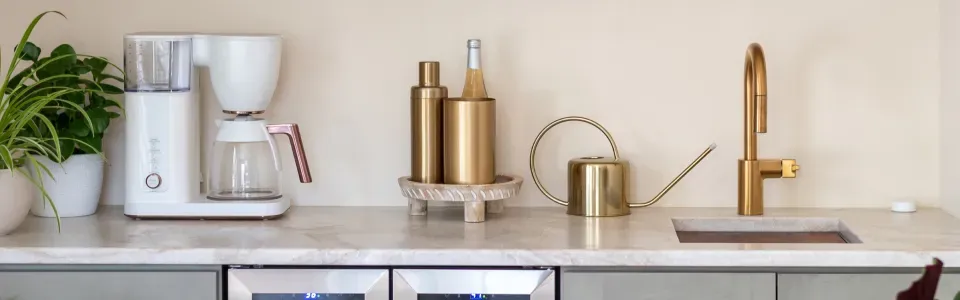
Bar or beverage sink: a small secondary sink near your entertaining zone.
This configuration creates distinct work zones so more than one person can be in the kitchen without getting in each other’s way.
Boosted Efficiency During Meal Prep & Cleanup
Imagine this: one person is rinsing vegetables in a prep sink while another is scraping plates into the dishwasher. With a single sink, those tasks would have to wait or cause traffic jams in your kitchen workflow.
Why this matters:
-
Keeps prep tasks separate from cleanup tasks
-
Reduces cross-contamination between raw foods and dirty dishes
-
Speeds up meal preparation, especially for complex meals or larger dinners
Whether you’re prepping multiple sides or hosting family holidays, this division of work improves flow and reduces frustration.
Better Hosting & Entertaining Support
Kitchens today are entertainment hubs. Double sinks support these social moments by giving you:
-
A dedicated space to rinse glasses or chill garnishes while guests socialize
-
Easier cleanup so you can stay present with guests
-
A second sink near a bar or beverage area for party service
In open-concept homes, having strategically placed sinks keeps your workflow moving while guests linger around the kitchen island or dining area.
Enhanced Hygiene & Food Safety
Designating one sink exclusively for raw foods and prep helps reduce the risk of cross-contamination.
Best practice:
-
Use the prep sink for washing produce, thawing meats, or mixing ingredients
-
Reserve the main cleanup sink for dishes, cookware, and utensils
This separation keeps bacteria spread to a minimum and protects the foods you serve, especially important if you have children, elderly family members, or anyone with compromised immunity.
More Space for Multiple Cooks
If your household loves to cook together, mornings with coffee and breakfast sandwiches, evenings with family meals, two sinks mean:
-
Two people can work simultaneously without bumping elbows
-
Fewer delays waiting for sink access
-
More surface area around each sink zone
Doubling your sink areas makes your kitchen feel more like a team workspace instead of a bottleneck during busy times.
Flexible Use Cases Beyond the Kitchen Sink
Secondary sinks aren’t limited to just food prep and dish cleanup. They’re increasingly used for:
-
Quick hand-washing stations
-
Filling pots or pitchers without interfering with the main cook zone
-
Kiddie hand-washing after homework or snack time
-
A secondary station near your dishwasher for pre-rinsing
This flexibility makes a strong case for planning two sinks, especially in open layouts or multi-task kitchens.
Design & Layout Options for Your Double Sink Setup
Your space and lifestyle often determine the best design. Here are popular configurations:
Prep Sink + Main Sink
-
Prep sink on an island or secondary counter
-
Main sink centered near cooking zones
Works best for open kitchens or large spaces.
Parallel Sinks (Side by Side)
-
Two equal sinks next to each other
-
Great if you have a long counter and want symmetry
Bar/Beverage Sink
-
Smaller sink near a breakfast bar or entertaining zone
-
Perfect paired with a beverage fridge or ice maker
Work Triangle Support
Place sinks within or alongside your kitchen’s work triangle between your range or oven, refrigeration, and prep zones, to improve workflow.
For example:
-
Prep sink next to your refrigeration area
-
Main sink near your cooking appliances and the cleanup zone
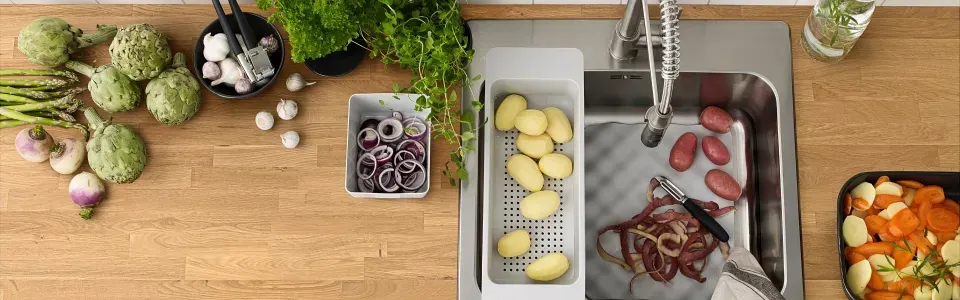
Choosing the Right Sink Sizes & Styles
Having two sinks doesn’t mean two identical units. Many homeowners mix styles:
-
Deep bowl sink for the main cleanup station
-
Shallow prep sink for washing produce
-
Farmhouse double basin for classic style and versatile use
-
Undermount stainless steel for sleek look and easy cleaning
Material choices, like stainless steel, composite granite, or fireclay, also affect durability, maintenance, and style. Stainless steel remains the most popular due to its resilience and compatibility with most kitchen aesthetics.
Practical Plumbing & Installation Considerations
Installing two sinks isn’t just a countertop choice, it impacts plumbing, cabinetry, and layout planning:
-
A second sink may require additional water lines and drains
-
Consider pull-out faucets that make both prep and cleanup easier
-
Ensure proper ventilation and disposal access near your dishwasher
Partnering with design and installation experts helps ensure your second sink doesn’t disrupt workflow or plumbing functionality.
Does Having Two Sinks Increase Home Value?
Yes, properly integrated secondary sinks can add appeal and value, especially in:
-
Larger family homes
-
Kitchens with frequent entertaining
-
Open-concept floor plans
-
Luxury or custom kitchens
A thoughtful double sink design signals a well-planned and functional kitchen, a strong plus for future buyers.
Elevate Your Kitchen With Bray & Scarff
Thinking about adding a second sink or upgrading your existing kitchen layout? Bray & Scarff offers expert guidance on kitchen design that combines function, style, and performance. From planning ideal work zones to recommending appliances and finishes that match your lifestyle, we’re here to help, whether you’re remodeling or starting fresh.
Bray & Scarff’s kitchen remodeling program is designed to guide you every step of the way to bring the kitchen of your dreams to life. Personalize your kitchen redesign with our countertop replacement and custom home bars services that’ll ensure you get the right fit and layout for your space. Explore our virtual kitchen designer tool and see how you can discover custom kitchen design solutions that best suit your home layout.
Explore our appliance brands, bring your home design vision to life, or visit one of our showrooms proudly servicing locations across the Maryland and Virginia area to bring a double sink concept to life in your kitchen.
Related readings from our blog:
FAQs: Why Two Sinks Are Better Than One in Your Kitchen
Is a double sink worth it for small kitchens?
Yes, even in smaller kitchens, a secondary prep sink or bar sink can improve workflow if placed strategically near prep, cooking, or entertaining zones. Compact models can fit peninsula or island layouts.
Do I need a second dishwasher if I have two sinks?
Not necessarily. Two sinks improve workflow, but most homes function well with one dishwasher. However, some high-traffic homes or frequent entertainers choose a second dishwasher for added convenience.
Can two sinks work without an island?
Absolutely. Secondary sinks can be installed on a wall run, peninsula, or side counter, anywhere there is space and proper plumbing access.
Are there any drawbacks to two sinks?
The main considerations are cost and space planning. Adding a second sink requires extra plumbing and may affect cabinet layout, but many homeowners find the benefits outweigh these factors.
What’s the ideal placement for a prep sink?
A prep sink works best near your refrigerator or food prep zone, ideally between your cooktop and main sink, to create multiple function areas without disrupting the cleanup zone.
Related Articles